

Introduction
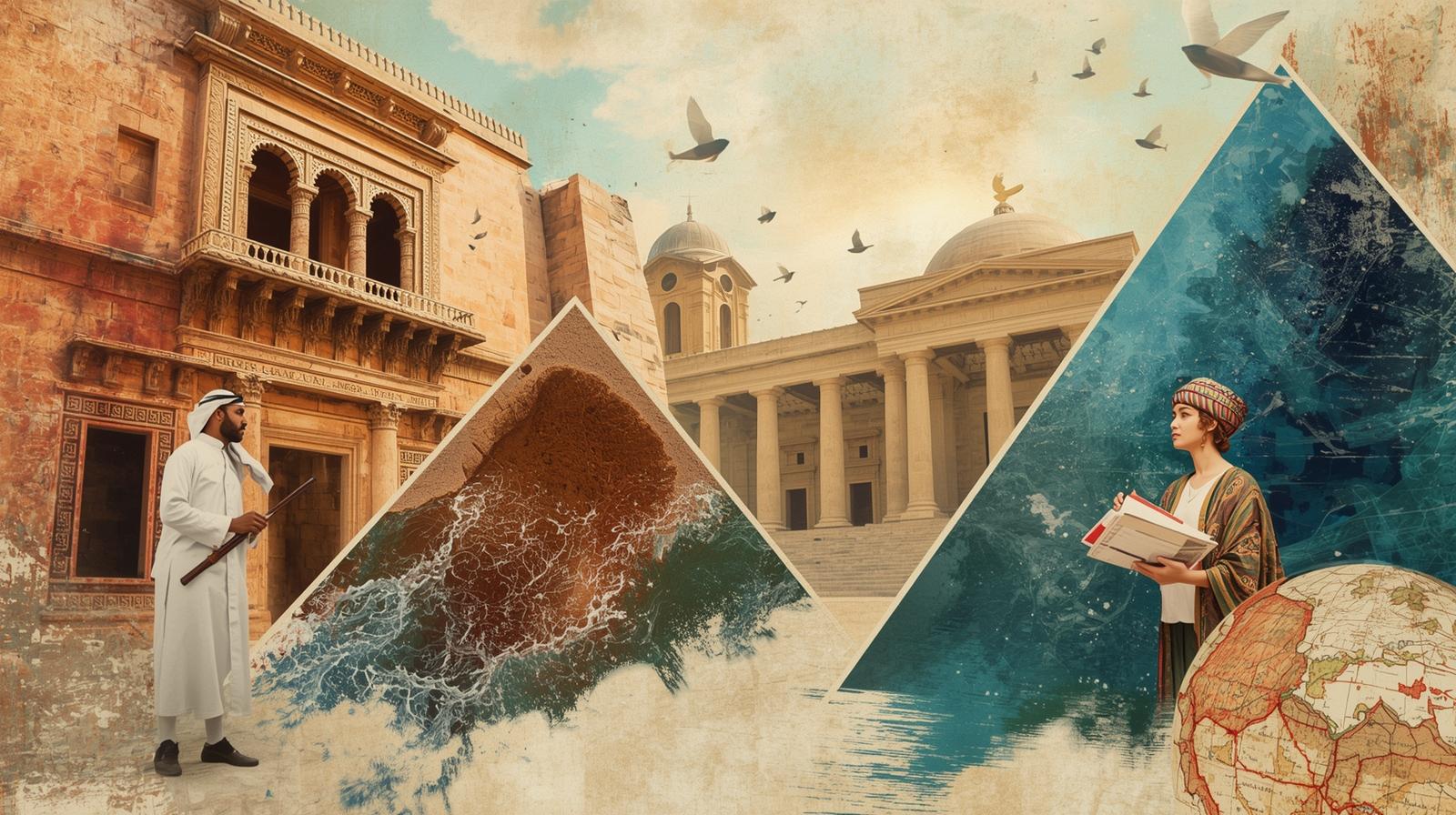
The United Arab Emirates is a land of remarkable transformation, blending ancient traditions with modern innovation. While the skyscrapers, luxury lifestyles, and booming economy capture global attention, the UAE’s rich history and vibrant culture tell a story that spans thousands of years. Understanding this heritage is essential for appreciating how Emirati society evolved from tribal communities and desert settlements into a unified nation celebrated for its traditions, arts, and achievements. This article provides an in-depth exploration of the UAE’s history and culture, highlighting key events, customs, and modern relevance.
Historical Background
The history of the UAE dates back to the Bronze Age, when early human settlements were established along the Arabian Gulf and desert oases. Archaeological evidence from the Hafit (circa 3,200–2,700 BCE), Umm Al Nar (2,700–2,000 BCE), and Wadi Suq (2,000–1,300 BCE) periods reveals sophisticated tombs, artifacts, and trade networks. These early communities relied on agriculture, fishing, and animal herding, demonstrating remarkable adaptability in a harsh environment.
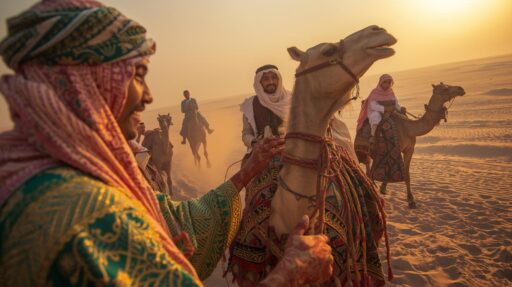
Over the centuries, the UAE became a crossroads of trade connecting Mesopotamia, Persia, and the Indus Valley. Coastal communities excelled in maritime navigation, while desert tribes developed nomadic lifestyles based on camels and resource management. By the 18th and 19th centuries, pearling emerged as a major economic activity, further cementing the region’s connection to international trade.
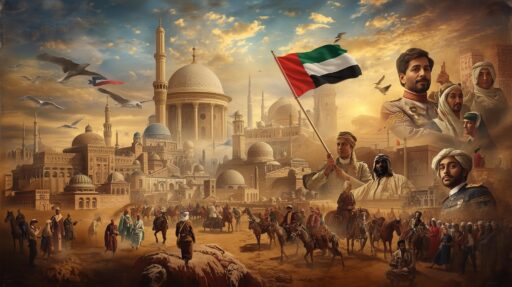
Islam arrived in the 7th century, shaping Emirati culture, social practices, and law. The religion continues to play a central role in everyday life, influencing festivals, rituals, and governance. Tribal leadership and alliances helped maintain social stability, setting the stage for the eventual unification of the emirates in 1971.
Key Cultural Highlights
1. Traditions and Customs
Traditional Emirati culture emphasizes family, hospitality, and respect for elders. Festivals like Ramadan, Eid, and National Day showcase the importance of community and religious observance. Oral storytelling, poetry, and folk dances preserve the nation’s heritage and pass values from one generation to the next.
2. Art and Architecture
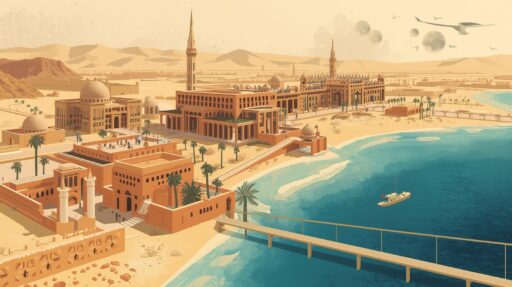
Emirati art combines traditional motifs with modern influences. Calligraphy, weaving, and pottery reflect centuries of creativity. Architectural styles, from desert forts to modern skyscrapers, highlight a blend of functional design and cultural symbolism.
3. Cuisine
Traditional Emirati cuisine, including dishes like machboos, luqaimat, and dates with Arabic coffee, reflects the region’s resources and trade history. Cooking techniques and ingredients preserve cultural identity while adapting to contemporary tastes.
4. Language and Literature
Arabic, the official language, serves as a cornerstone of cultural identity. Emirati literature and Nabati poetry capture historical events, social values, and the emotional life of the people. Oral traditions continue to inspire modern writers and artists.
Timeline of Key Historical Events
- 3,000 BCE: Early settlements established in desert and coastal areas.
- 7th Century CE: Arrival of Islam and integration into daily life.
- 18th–19th Century: Pearling industry drives economic development.
- 1820–1892: Trucial States treaties with Britain secure peace and trade.
- 2 December 1971: Unification of the seven emirates forms the UAE.
- 1970s–Present: Rapid modernization, infrastructure growth, and cultural preservation.
Modern Relevance
Today, the UAE balances rapid modernization with cultural preservation. Museums, heritage villages, and festivals showcase history and customs to locals and tourists alike. Traditional crafts, clothing, music, and cuisine remain integral to national identity. Understanding this heritage provides context for the nation’s social, economic, and political achievements.
Conclusion
The UAE’s history and culture are a testament to resilience, adaptability, and creativity. From ancient settlements and tribal alliances to modern cities and global influence, the nation’s journey reflects a rich tapestry of traditions and innovation. By exploring Emirati history, traditions, arts, and customs, residents and visitors alike gain a deeper appreciation of the identity, values, and legacy of this remarkable country.