

Introduction
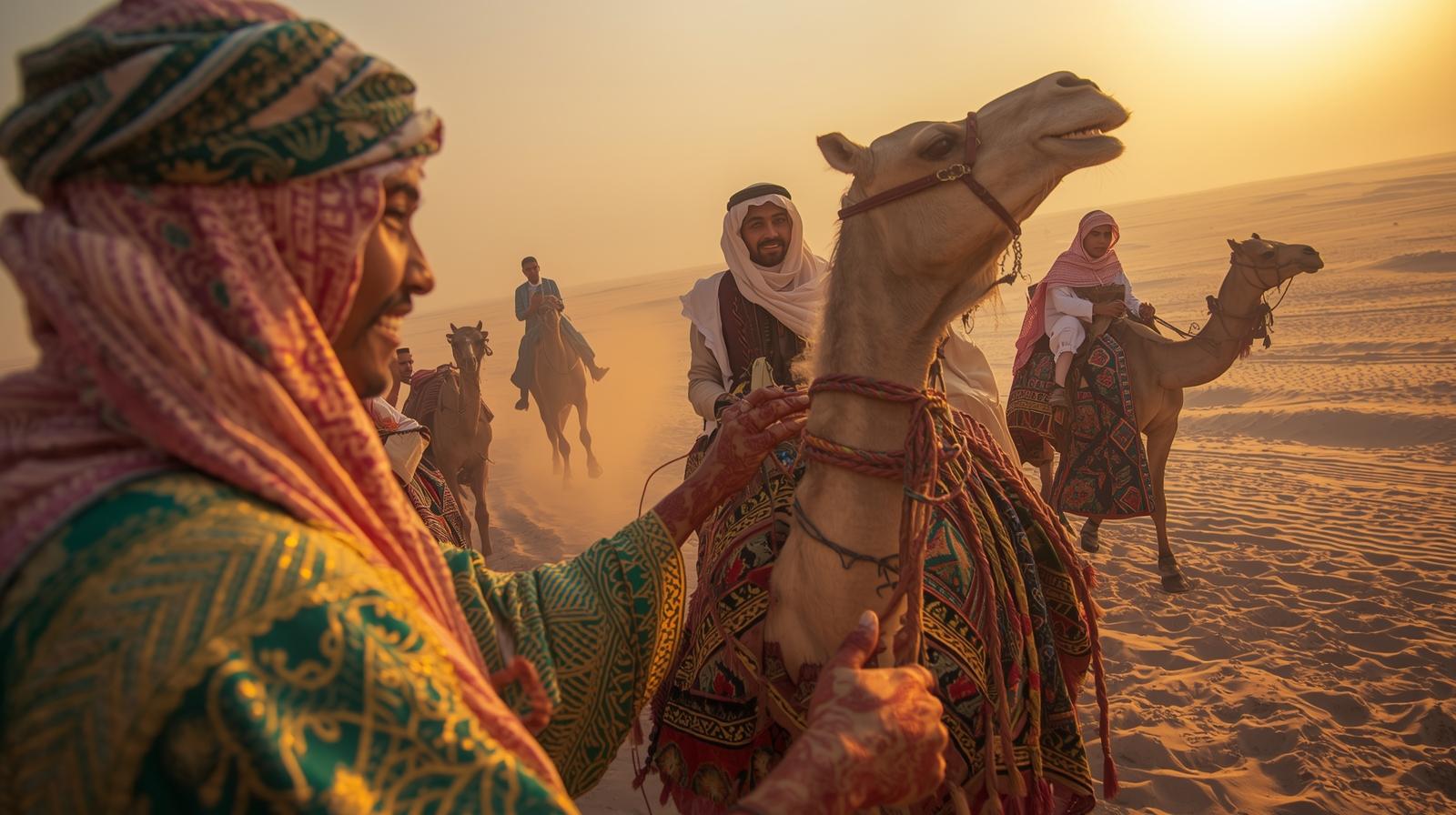
The United Arab Emirates is renowned for its rich and diverse cultural traditions. These practices, shaped by centuries of tribal life, trade, and Islamic influence, continue to define Emirati identity. From festivals and music to dress, cuisine, and rituals, the UAE’s traditions offer a window into the values and history of its people.
Historical Background
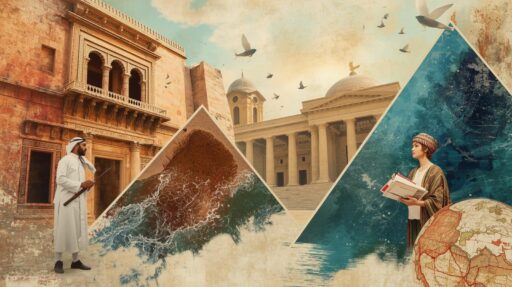
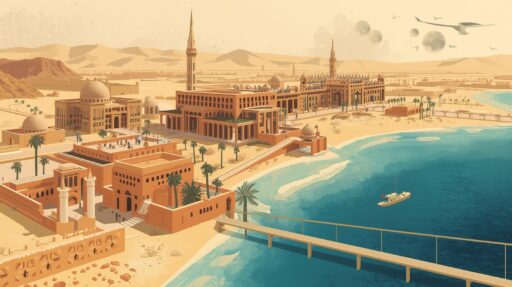
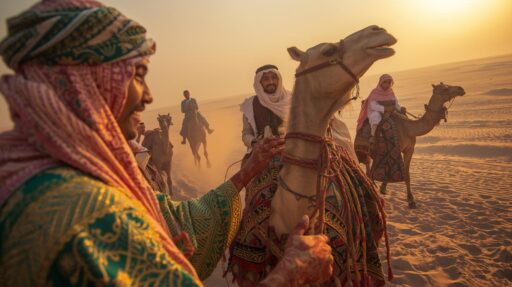
Historically, the Emirates were a network of tribal communities living in deserts, oases, and coastal areas. Social life centered around family, community, and religion. Bedouin customs emphasized hospitality, respect for elders, and communal cooperation. Trade and pearling connected the Emirates with regional and international markets, introducing new ideas while preserving local traditions.
Key Cultural Traditions
1. Festivals and Celebrations
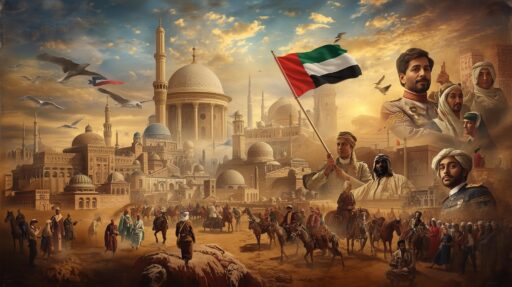
Religious festivals like Ramadan and Eid are central to Emirati life. National Day, celebrated on December 2, commemorates unification and fosters patriotism. Festivals include music, dance, traditional games, and food, blending spiritual and social significance.
2. Hospitality
Hospitality remains a cornerstone of Emirati culture. Serving Arabic coffee (gahwa) and dates to guests is a symbolic gesture of respect and generosity. Homes often include majlis spaces dedicated to welcoming visitors and fostering dialogue.
3. Music and Dance
Traditional music and dance, including the Al-Ayyala and Al-Razfa, celebrate tribal history and social cohesion. Musical instruments, rhythms, and storytelling reflect regional heritage and values.
4. Traditional Dress
Emirati attire includes kanduras for men and abayas for women. Clothing not only accommodates desert conditions but also represents cultural identity and social values.
5. Cuisine
Food traditions, such as dishes like machboos and luqaimat, highlight local ingredients and historical trade influences. Culinary practices are integral to social gatherings, hospitality, and celebrations.
Modern Relevance
Despite rapid modernization, the UAE preserves its cultural traditions through museums, heritage villages, festivals, and educational programs. These practices maintain national identity, educate younger generations, and attract global appreciation.
Conclusion
Cultural traditions in the UAE are a living connection between past and present. They reflect the nation’s history, values, and social cohesion. By understanding these practices, both residents and visitors gain a deeper appreciation of Emirati heritage, resilience, and creativity.