

Introduction
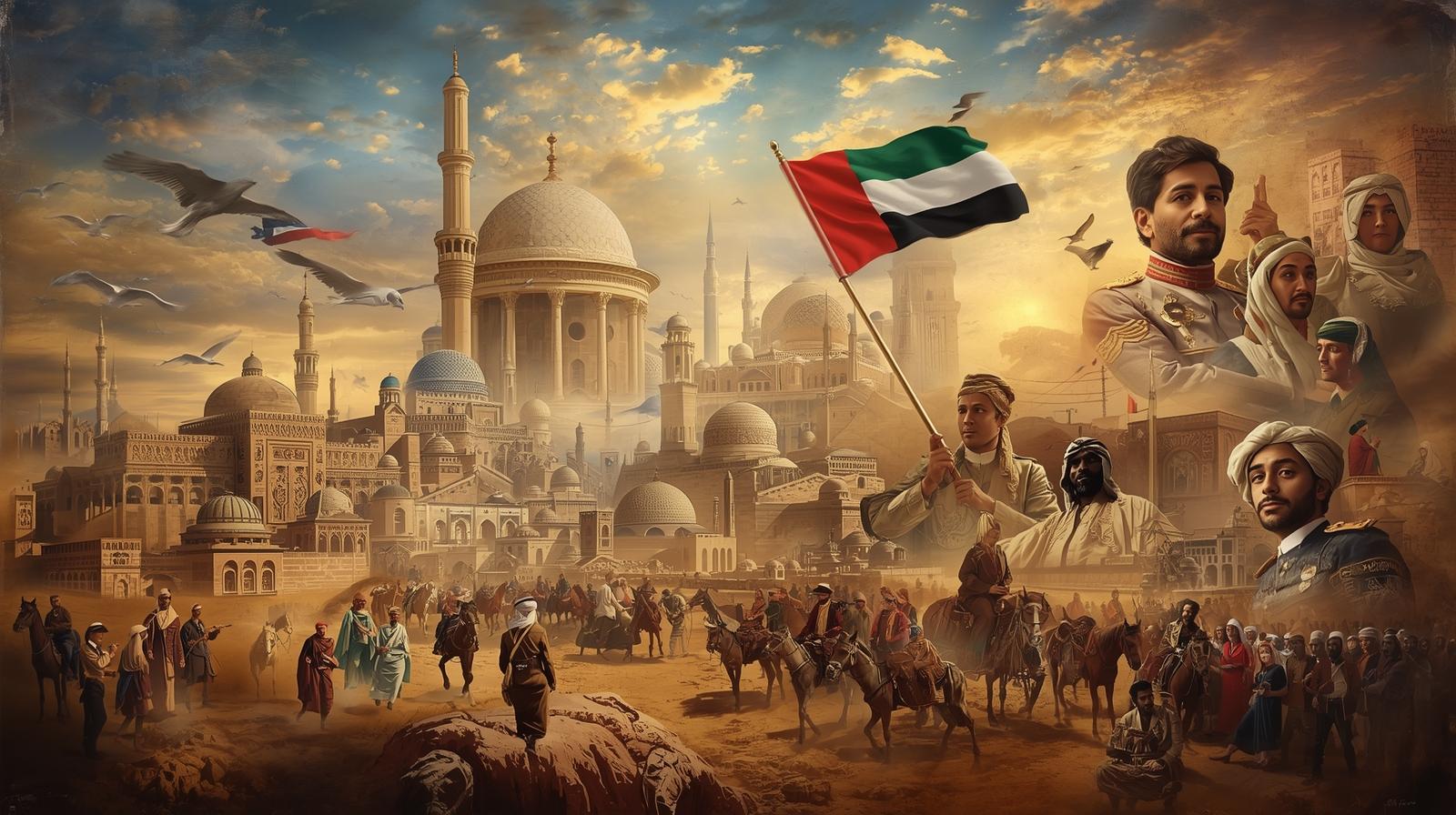
The history of the United Arab Emirates is a tapestry of ancient civilizations, tribal alliances, economic evolution, and modern unification. From prehistoric settlements to the discovery of oil and the nation’s formation in 1971, numerous key events shaped the UAE’s identity. Understanding these milestones provides insight into how a collection of small emirates transformed into a unified, prosperous country.
Historical Background
The UAE’s territory has been inhabited since the Bronze Age, with early communities forming settlements in the desert and along the coast. These communities relied on fishing, farming, and early trade. As centuries passed, tribal structures emerged to provide leadership and governance, laying the foundation for social cohesion.
The arrival of Islam in the 7th century integrated religion deeply into Emirati culture, shaping societal values, legal systems, and festivals. By the 18th and 19th centuries, pearling and maritime trade dominated the economy, connecting the Emirates with India, East Africa, and Persia.
Key Historical Events
1. Tribal Governance and Alliances
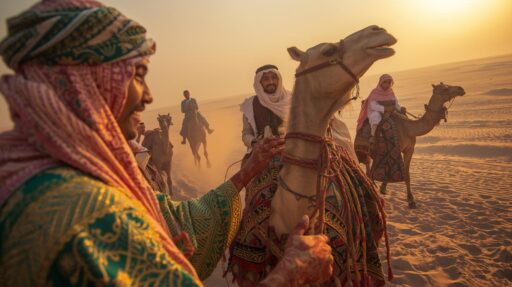
Tribal leaders played a crucial role in maintaining stability and organizing trade. Alliances among tribes ensured security and resource sharing, which was essential in the harsh desert environment.
2. Trucial States Treaties (1820–1892)
A series of agreements with Britain ended piracy in the Gulf and secured trade routes. These treaties also established the Trucial States, providing a framework for political stability and external relations.
3. Discovery of Oil (1958–1960s)
The discovery of oil transformed the UAE economy and infrastructure. Oil revenues funded schools, hospitals, roads, and urban development, enabling rapid modernization.
4. Unification of the Emirates (2 December 1971)
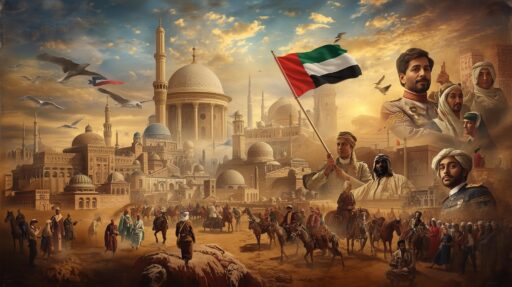
Sheikh Zayed bin Sultan Al Nahyan and the rulers of six other emirates formed a federation. This unification marked the beginning of national identity, cooperative governance, and rapid social and economic development.
5. Modern Development (1970s–Present)
The UAE embraced globalization, technological innovation, and urban growth while preserving cultural heritage. Initiatives in education, arts, tourism, and sustainability continue to shape the modern Emirates.
Modern Relevance
These key events influence every aspect of contemporary UAE life. Tribal customs, Islamic values, and historical trade patterns continue to affect social norms, governance, and cultural expression. Festivals, museums, and heritage sites preserve the memory of the past while providing educational opportunities for future generations.
Conclusion
The UAE’s history is defined by pivotal events that created the foundation for a modern, unified nation. Understanding these milestones offers a deeper appreciation for the country’s achievements, traditions, and enduring cultural identity. The journey from tribal societies to a global hub showcases the resilience and foresight of the Emirati people.